Updated October 2, 2026.
A cartridge that worked yesterday can feel blocked after a cold night. A rechargeable disposable can still hold oil when its battery needs charging. Those situations are easy to confuse with an empty or defective product. A few hardware basics help you describe the problem and avoid making it worse.
Start with the instructions for the exact vape you bought at Capital Dank. “Vape pen” covers several systems, and their settings, charging requirements, and troubleshooting steps are not interchangeable.
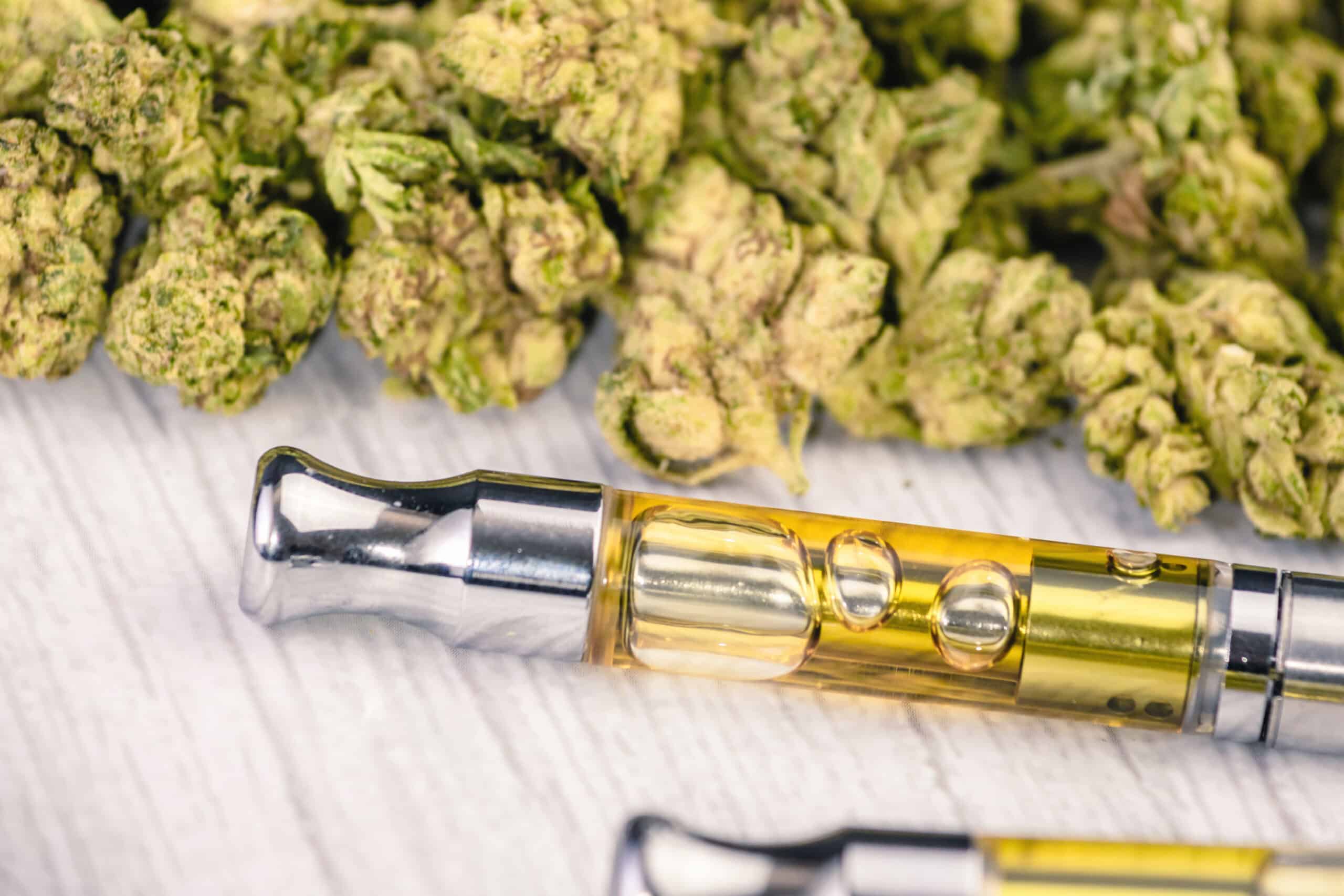
Know whether you have a cart, pod, or all-in-one
- 510-thread cartridge: a cartridge that attaches to a separate compatible battery. Check both the cartridge and battery instructions.
- Pod: a cartridge designed for a particular system. A similar-looking pod may not fit another brand's battery.
- All-in-one or disposable: oil reservoir and battery in one unit. Some are rechargeable; others are not. “Disposable” does not answer that question by itself.
Before leaving the store, ask whether the item needs a separate battery, which hardware it accepts, and whether it can be recharged. A 1-gram or 2-gram label refers to product quantity, not battery life or a guaranteed number of puffs.
Why heat and cold can cause trouble
Oil changes consistency with temperature. Cold can make it thicker; warmth can make it more fluid. CCELL's guide to cartridge clogs identifies temperature changes and oil buildup as contributors to restricted airflow.
Follow the maker's storage instructions. For typical oil cartridges, keeping the device upright at room temperature and away from direct sun helps avoid unnecessary temperature swings. A parked car is a poor storage spot. Carry the device in a protective case rather than loose with keys, and protect the mouthpiece from pocket debris.
If a device is cold, let it return naturally to room temperature. Do not use a flame, microwave, oven, or hot water to force it warm. A preheat feature is an option only when the manufacturer provides one and explains how to use it.
There is no universal voltage setting
Oil formulation, cartridge construction, and battery design all matter. A voltage suggested for one cart can be inappropriate for another. Use the manufacturer's supported settings rather than a generic chart that treats every live resin, rosin, and distillate product the same way.
For rechargeable hardware, use the specified charger or power source and the device's charging instructions. Do not try to charge a non-rechargeable unit or open a sealed disposable to replace its battery. Stop using or charging a damaged device, particularly if it leaks, becomes unusually hot, or has a swollen battery.
An air gap does not prove a short fill
A new cartridge may have space above the visible oil. CCELL explains headspace in its own cartridges: some oil is absorbed into the heating element, and the reservoir is designed with extra capacity. Those details are specific to its hardware, but they show why a fill line alone is not a reliable way to judge every cartridge.
If you think a product is short-filled, photograph the unopened package and device, keep your receipt, and ask the store to review the specific item. Normal headspace and an actual leak are different issues; neither can be resolved by guessing from a photo of a different brand's cart.
Work through the problem without dismantling the device
Check that the device is charged if rechargeable, activated as instructed, and connected to compatible hardware. For a removable cartridge, inspect accessible contacts and the mouthpiece for visible debris. Clean only as the manufacturer directs. Do not submerge battery hardware or pour cleaning liquid into the airflow path.
If airflow is restricted, use only the maker's recommended clearing steps. Repeated hard pulls, repeated heating cycles, or poking tools through the mouthpiece can create a second problem. A persistent burnt taste, visible leak, cracked cartridge, or device that will not operate after basic checks is a reason to stop and contact the store or manufacturer.
Bring Capital Dank the details that help
Keep the product name, producer, batch information, receipt, and a description of the issue. Tell us whether the device lights up, whether airflow is blocked, and what battery you are using. That lets the team address a hardware question instead of starting from “my vape doesn't work.” Contact your Capital Dank location for the policy and next steps for that item; this guide does not promise a replacement or refund.
For a purchase comparison, ask about oil type as well as hardware. Our resin and rosin guide explains the extract names. Vaping is not risk-free; device care does not make a cannabis product medically safe or suitable for a health condition.