Updated October 2, 2026.
Two jars can have nearly the same THC percentage and smell completely different. One leans sharp and citrusy; the other smells earthy, woody, or peppery. Terpenes help explain that difference—and give you a more useful way to describe what you like than asking for whatever has the biggest number on the menu.
At Capital Dank, that vocabulary helps when comparing flower, a live resin cartridge, or a jar of rosin. Start with the aroma you enjoy, then look at the actual product and batch information.
What terpenes contribute
Terpenes are compounds found in cannabis and many other plants. They contribute to aroma and flavor, often as part of a mixture rather than one isolated ingredient. A scientific review of cannabis aroma describes familiar associations such as citrus for limonene, pine for pinene, and floral notes for linalool.
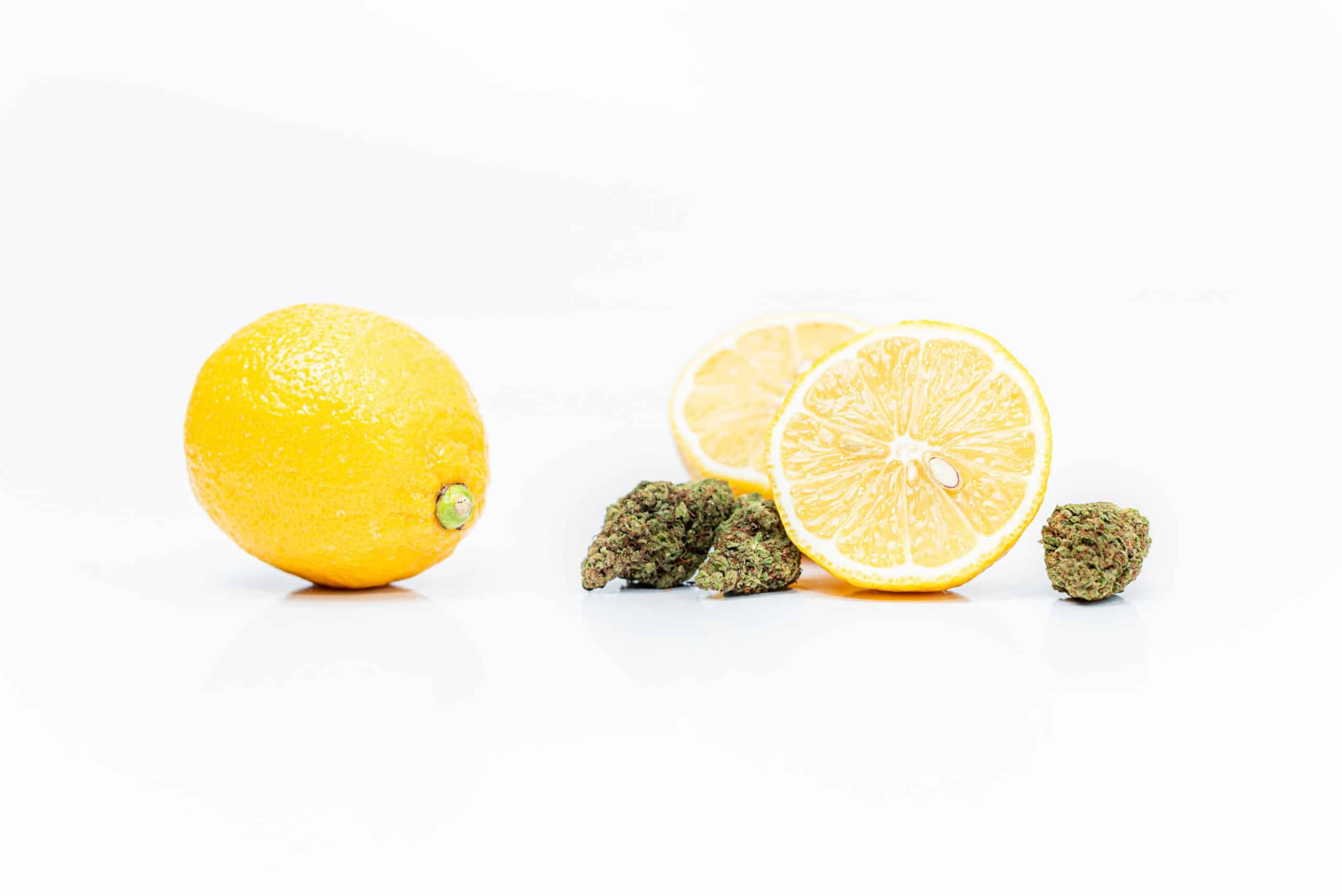
- Limonene: a useful reference for lemon, orange, and other citrus notes.
- Pinene: associated with pine and resinous, woody aromas.
- Myrcene: commonly described as earthy, musky, or fruity.
- Beta-caryophyllene: associated with peppery and spicy notes.
- Linalool: associated with floral, lavender-like aromas.
These are reference points, not a recipe for how every jar will smell. Several compounds contribute at once. “Lemon” on a menu also does not prove that limonene was tested or tell you its concentration.
Reading a terpene percentage
A label might list total terpenes and then individual compounds. If a hypothetical flower sample lists 2% total terpenes by weight, that corresponds to about 20 milligrams per gram. If myrcene is listed at 0.6%, that is about 6 milligrams per gram. The individual figure is already part of the total; do not add it to the total again.
Check the units before comparing two products. A percentage, a milligram-per-gram value, and a milligram-per-package value describe different things. Also check whether the information belongs to the current batch or is a general description of that strain. If no terpene analysis is provided, you can still compare the manufacturer's aroma notes—just keep the distinction clear.
Aroma is useful; effects are more complicated
The “entourage effect” is the idea that cannabis compounds may influence one another. Research is still developing, and a terpene name cannot reliably tell you whether a retail product will make you sleepy, focused, or comfortable. For example, a laboratory study of common terpenoids did not find the proposed CB1-receptor effects in the neuronal models it tested. A laboratory result also cannot settle every question about a whole cannabis product in a person.
Use terpene information to learn a product's composition and explore aroma preferences. Keep THC and CBD information, product format, and your previous experience in the conversation. A citrus scent is not a medical claim.
Flower, vapes, and extracts deserve separate comparisons
For flower, compare the producer, batch, package size, and available aroma information. For a vape, also ask what the oil is made from and whether terpenes are added. For concentrates, distinguish the extraction process from the final texture.
Distillation can remove much of a plant's original aroma profile, and a manufacturer may add terpenes afterward. Puffco's explanation of distillate and concentrates describes that distinction. A cartridge with a familiar strain name therefore may not have the same composition as flower sold under that name.
Bring a useful description to Capital Dank
Try “I liked the piney aroma of this flower” or “I want to compare citrus profiles in these two live resin products.” A product name or a photo of the previous package gives our team more to work with than “something strong.” Ask whether batch-level terpene information is available and whether the aroma description comes from the producer.
Browse your selected store's menu first, then compare the products actually available there. If you want to understand the extraction terms alongside those aromas, read our resin and rosin guide. Medical questions about symptoms, medicines, or treatment belong with a qualified healthcare professional.