Updated October 2, 2026.
“Sativa for daytime, indica for nighttime” is easy to remember. It is also too simple to explain every flower, vape, or edible on a dispensary menu. If two products have the same category but very different labels, the category cannot tell you everything you need to know.
At Capital Dank, use sativa, indica, and hybrid as a starting point for browsing. Then get specific about the product, producer, cannabinoid information, and format you are comparing.
What those retail categories tell you
In everyday dispensary language, sativa and indica often describe a producer's category for a cultivar or finished product. Hybrid usually signals mixed lineage or an intermediate category. Descriptions such as “indica-dominant” can help you follow a brand's catalog, but they are not a standardized measurement of how a product will affect a particular person.
A “70% indica” description is also not “70% THC.” The first is a category or lineage description; the second would be a chemical concentration. When comparing products, keep the strain description separate from the tested cannabinoid values.
What researchers found in labeled cannabis
A 2021 study published in Nature Plants examined more than 100 cannabis samples using chemical analysis and genetic data. Sativa- and indica-labeled samples did not form distinct groups across the whole genome. The labels were instead associated with differences in a small number of terpenes.
That result gives shoppers a reason to look past a broad category. It does not mean all cannabis is chemically identical, and the study did not establish how every product affects every customer. The practical takeaway is that the actual composition provides information the category leaves out.
Four details that make a better comparison
- Format: flower, an edible, and a cartridge are different finished products, even if the same strain name appears on all three.
- Cannabinoid information: compare the listed THC and CBD values and their units. For edibles, separate milligrams per serving from milligrams in the package.
- Producer and batch: record who made the item and the batch information when available. A strain name alone is a weak shopping record.
- Aroma and ingredients: look for available terpene information, flavor descriptions, and ingredients in formulated products.
THC is responsible for much of cannabis's intoxication. CBD has different properties, but its presence does not turn a product into a guaranteed treatment or remove every risk. The National Center for Complementary and Integrative Health explains the distinction between cannabinoids, studied medicines, and cannabis products.
The same strain name can appear on different formulations
Imagine you liked a flower labeled as a hybrid, then bought a gummy with the same strain name. The shared name does not establish that the gummy reproduces the flower's chemistry or your experience with it. Ask what extract is used, how the edible is formulated, and what the package actually lists.
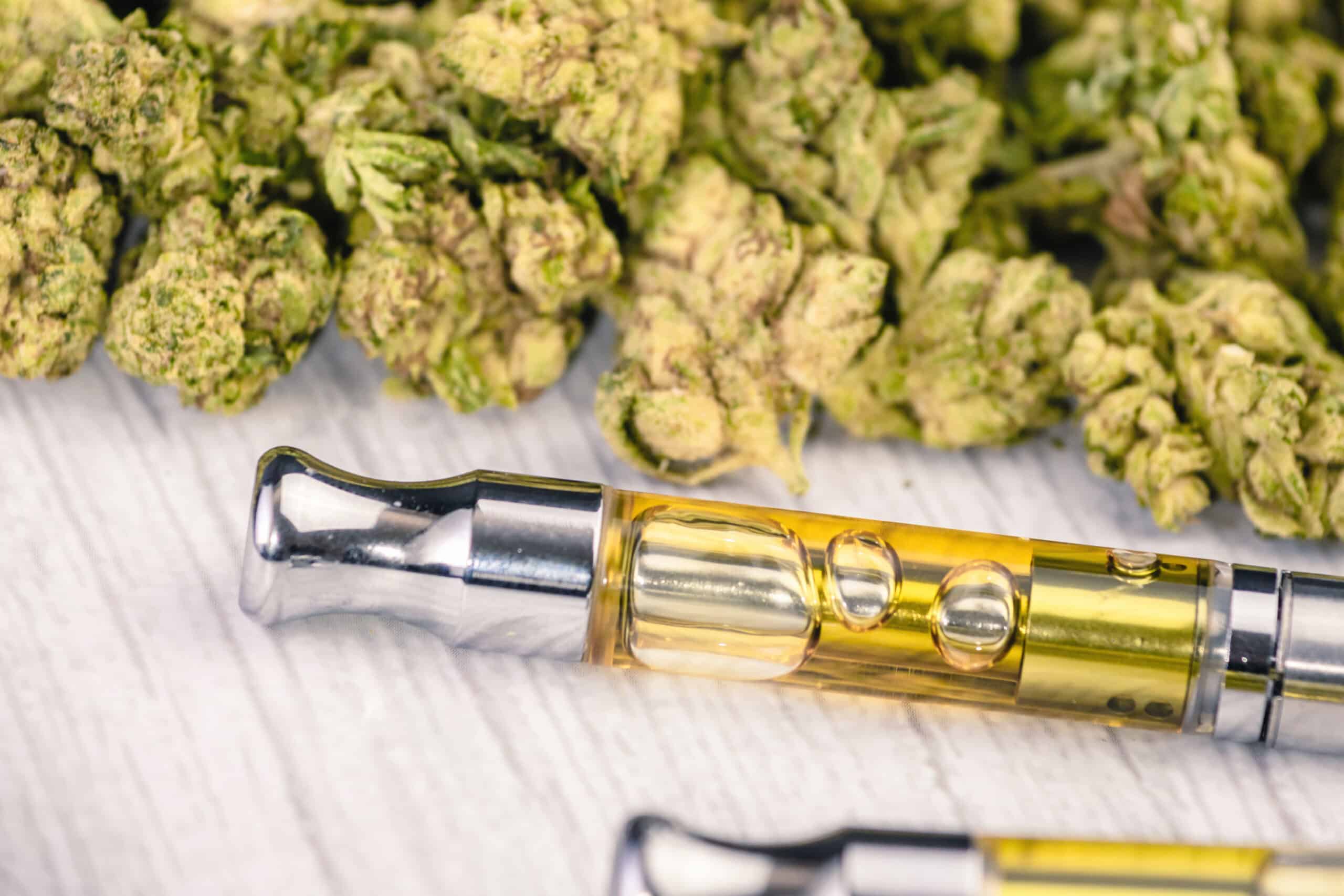
The same question matters with vapes. A distillate cartridge with added terpenes and a live resin cartridge are different formulations. Puffco explains how distillation and preserved extract profiles differ. Compare those details before treating a category or strain name as interchangeable across products.
Keep a better record of what you liked
A photo of the package can preserve the producer, product name, weight, cannabinoid values, and batch. Add a short note about aroma and the format you purchased. Next time, “this producer's piney flower in this package size” is a much clearer reference than “any indica.”
That record is useful for shopping, not a clinical test. Your response can vary, and a previous purchase does not establish a dose or treatment plan. If you are trying to manage a health condition or take medication, bring those questions to a qualified healthcare professional.
Turn a category into a useful store conversation
Start on the Capital Dank menu for your location and narrow to a format and budget. You can still use the sativa, indica, or hybrid filter. When you reach the counter, ask to compare the current package information for the items you shortlisted.
If aroma matters to you, our terpene guide gives you useful reference notes. If you are comparing extracts, our resin and rosin guide explains the process terms. Those details make the label a conversation starter instead of the entire decision.