Updated October 2, 2026.
A bag marked “200 mg” can look almost identical to one marked “100 mg.” The number of pieces, the amount in each piece, and the formulation can still be very different. Before comparing flavors or deals, work out what those numbers actually describe.
This guide helps Oklahoma patients compare edible labels and ask useful questions at Capital Dank. It explains product information; the amount appropriate for an individual patient is a separate conversation with a qualified healthcare professional.
Separate the package total from the amount per piece
Read the label for total THC, serving size, number of servings, and any amount stated per piece. One piece is not automatically one labeled serving. For a package of equally dosed pieces, the basic comparison is:
Total labeled THC ÷ number of equally dosed pieces = labeled THC per piece.
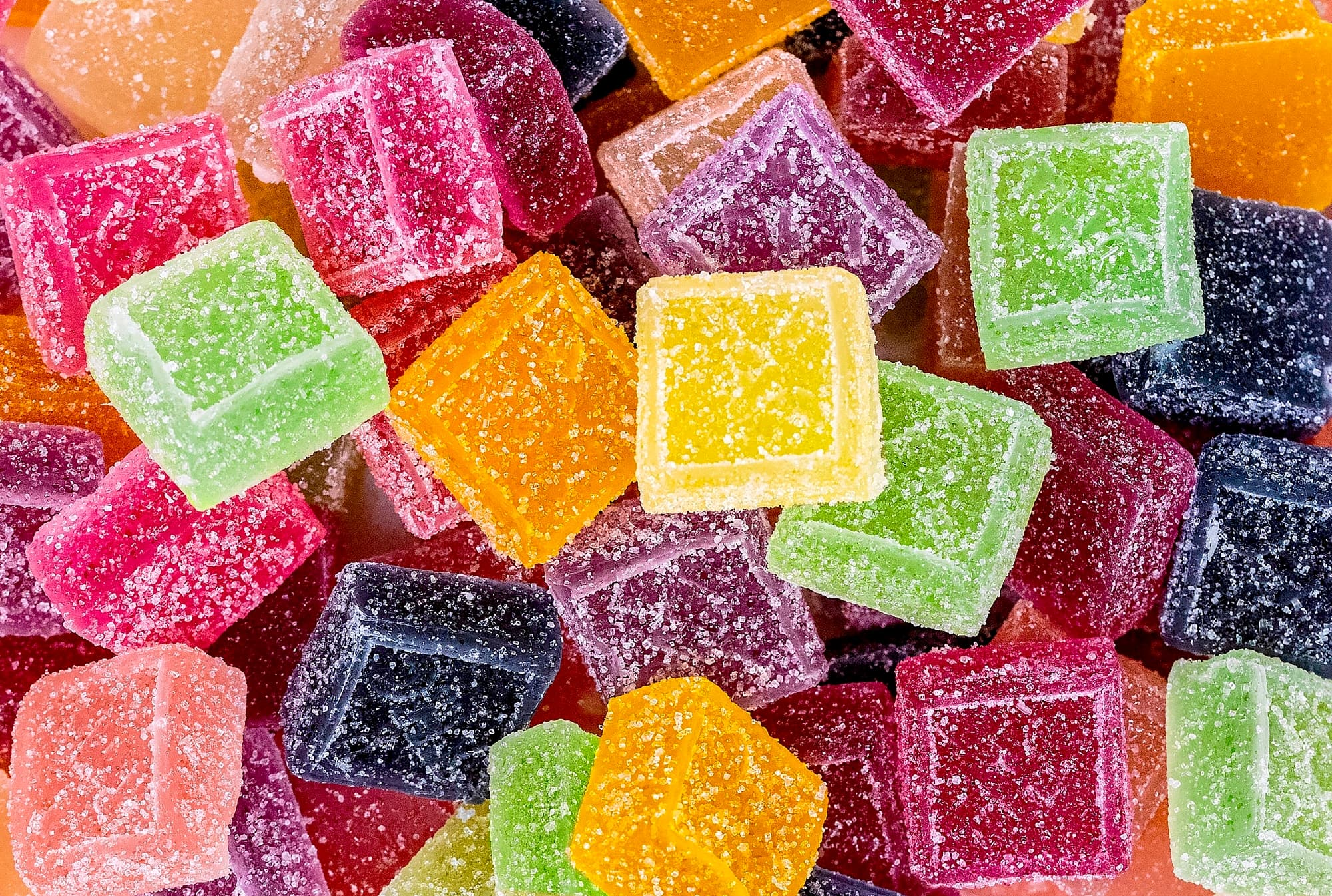
- A hypothetical 200-milligram package with 10 equally dosed gummies contains 20 milligrams per gummy.
- A hypothetical 200-milligram package with 20 equally dosed gummies contains 10 milligrams per gummy.
- If the manufacturer defines half a piece as a serving, the serving amount differs from the whole-piece amount.
These examples explain arithmetic, not recommended doses. Do not assume that an unmarked piece, a homemade edible, or a product with an unclear label has evenly distributed THC. If the label's serving information and package total do not make sense together, ask before buying.
Delayed onset changes the experience
Edibles do not work on the same timeline as inhaled products. The CDC describes an onset of about 30 minutes to 2 hours for intoxicating effects and explains that duration can be longer than expected. Food, medications, alcohol, the amount consumed, and other factors can influence the experience.
Health Canada's consumer guidance notes that full edible effects can take up to 4 hours. That timing information helps explain why taking more because “nothing happened yet” can lead to overconsumption. It is general health information, not Oklahoma's package-limit rules or a personalized waiting-and-dosing schedule.
A smoking or vaping routine is not a reliable conversion chart for an edible. Plan for delayed effects, follow the label and clinical guidance, and do not drive or operate machinery while impaired.
Read ratios and ingredients together
A THC:CBD ratio compares the amounts of those cannabinoids. A hypothetical piece labeled 5 milligrams THC and 5 milligrams CBD has a 1:1 ratio. A piece containing 10 milligrams of each also has a 1:1 ratio, but twice the labeled amount of both. The order matters too: THC:CBD and CBD:THC reverse which number refers to which cannabinoid.
Check the actual milligrams rather than assuming “balanced” means low strength. CBD is not a guaranteed antidote to THC. In a controlled study summarized by NCCIH, a high-CBD oral combination (640 milligrams CBD with 20 milligrams THC) produced stronger effects than the same THC amount alone. The study does not describe every retail ratio; it shows why the interaction is more complicated than a slogan.
Then read the food ingredients: allergens, gelatin or pectin, sweeteners, and any ingredients relevant to your needs. Gummies, chocolate, drinks, and capsules can have different formulations. A “fast-acting” claim belongs to a specific product and should not be treated as a guaranteed timeline.
Compare edible deals with the full label in view
At Capital Dank, a useful comparison includes flavor, amount per labeled serving, number of pieces, package total, ingredients, and price. A larger package total does not automatically make a product a better fit. If you have bought something you liked before, bring the package or a clear photo so the team can compare the actual formulation.
Choose your Oklahoma store on the menu page and check its current deals. Michigan promotions and package listings are separate; do not assume a gummy shown on the Battle Creek flyer is available at an Oklahoma location.
Prepare for an Oklahoma medical store visit
Capital Dank's Oklahoma locations operate in the state's medical market. Review OMMA's current patient-license information and confirm the identification you need with your store. OMMA currently allows an official approval email or approval in its MedPortal as alternative patient identification; its page explains the current guidance. Do not assume every visit requires only a physical patient card, or that being 21 automatically authorizes an Oklahoma purchase.
The website's 21-and-older entry policy is separate from Oklahoma's medical purchase eligibility. Use the location directory to find your store's phone number, hours, and address before traveling.
Keep the label, and know where to get help
Keep edibles in their original labeled packaging, follow storage directions, and secure them away from children and pets. A candy-like appearance makes unlabeled storage particularly easy to confuse with ordinary food. Keep the cannabinoid and ingredient information available if you need help later.
For a concerning reaction or accidental ingestion, the CDC directs consumers to Poison Control at 1-800-222-1222; call 911 in an emergency. For ongoing questions about medicines, symptoms, or a treatment plan, speak with your clinician. Our team can help locate retail information and compare packages.